What Is Neurodiversity? A Brain-Based Perspective
Neurodiversity is a term that’s increasingly used — but often poorly understood.
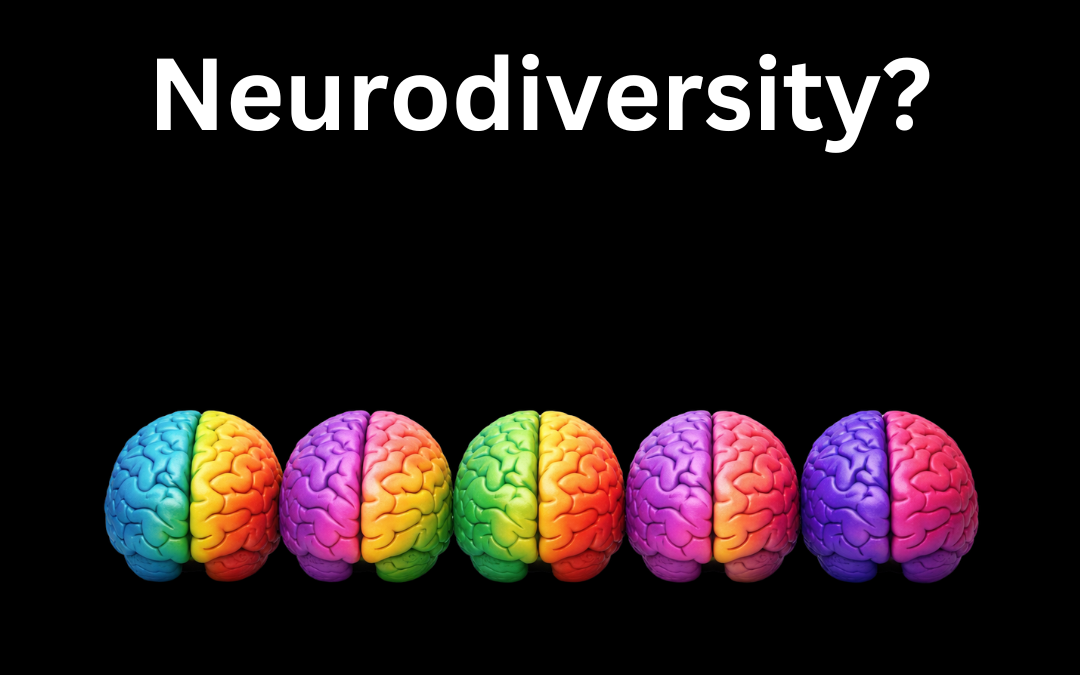
At its core, neurodiversity describes the natural variation in human brains. Just as biodiversity refers to differences in plants and animals, neurodiversity recognises that differences in how people think, learn, process information, communicate, and experience the world are normal and necessary.
The term neurodiversity was coined in the late 1990s by Judy Singer, an Australian sociologist and autism advocate. It is not a medical term, but more of a social and conceptual framework.
The National Library of Medicine offers this definition:
Neurodiversity describes the idea that people experience and interact with the world around them in many ways, with no one “right” way of thinking, learning, and behaving, and differences are not deficits. Neurodiversity refers to the diversity of all people, but it is often used in the context of autism spectrum disorder and other neurological or developmental disorders such as ADHD or dyslexia.
An estimated one in five people is neurodivergent—and many are navigating education systems, workplaces, and social environments that were never designed for the way their brains function.
My Fascination With Neurodiversity
My own interest in neurodiversity began when a family member was diagnosed more than 25 years ago. I then went on to transfer medical specialties from General Practice and Public Health to “Community Paediatrics” (UK term) or “Developmental Pediatrics (USA term), diagnosing and treating children with neurodiversity. When I moved to the USA, 16 years ago, I retrained as a neurofeedback therapist working with children and life coach for teens and parents… which I have done ever since. I went on to train as a Brain Health Coach and Trainer with Amen University.
The Human Brain Is Built for Difference
I tell my clients the human brain is extraordinary. Although it makes up only about two percent of body weight, it uses roughly twenty percent of the body’s energy and remains active even during sleep.
Each brain contains around 86 billion neurons, forming trillions of possible connections. No two brains are wired the same. Every brain is shaped by a unique combination of genetics, life experiences, environment, and learning. Difference is not a flaw—it is the default.
The brain is also highly adaptable. Thanks to neuroplasticity, it continues to change throughout life, especially when supported in ways that align with how it works best.
Neurotypical and Neurodivergent Brains
The Priory Clinic explains, Everyone is either neurodivergent or neurotypical. Neurodiversity is a way of understanding that there’s no single ‘right’ way for a brain to work. Instead, it’s a term that recognises and respects all the different ways people experience and process the world.
A neurotypical brain (doesn’t have neurodiversity) functions in ways that broadly align with societal expectations, particularly around attention, communication, learning style, emotional regulation, and behaviour.
A neurodivergent brain functions differently from those expectations. These differences affect how a person thinks, processes information, communicates, and interacts with the world. The differences range from very mild to very severe, with people at the severe end being dependent on the care of others, especially for those with autism.
Neurodivergence includes conditions such as autism, ADHD, dyslexia and other learning differences, dyspraxia, and Tourette syndrome. Some experts include long-standing neurological or psychiatric differences such as OCD or bipolar disorder, but others exclude these.
Temporary mental health conditions such as depression or anxiety are not neurodivergent conditions. Neurodivergence reflects enduring life-long differences in brain function. It is not something a person grows out of, nor something that needs to be “fixed.”
When Difference Becomes Disability
All brains are unique, but neurodivergent people often face repeated challenges in environments designed for the neurotypical majority.
In the right setting, a neurodivergent person may thrive. In the wrong one, they may struggle significantly—not because of a lack of ability, but because of a poor fit between their brain and the system around them.
Common barriers include rigid education models, sensory overload, inflexible communication styles, and narrow definitions of productivity and success. These mismatches can make capable individuals appear disorganised, underperforming, or difficult, even when they are highly intelligent and motivated.
In many cases, disability is created not by the brain itself, but by systems that fail to accommodate difference.
What’s the Difference Between Neurodevelopmental Disorders vs Neurodiversity?
Neurodevelopmental disorders are medical and diagnostic categories used in healthcare to describe specific patterns of brain development that meet defined clinical criteria, such as autism, ADHD, or dyslexia. These diagnoses are used to identify functional impairments, guide support, and determine access to services or accommodations. Neurodiversity, by contrast, is not a diagnosis and does not replace these medical terms. It is a broader, non-medical framework that recognises neurological differences as natural variations in human brains, rather than viewing them solely through a lens of disorder or deficit. In short, neurodevelopmental diagnoses describe how a brain meets clinical criteria, while neurodiversity describes how different brains exist and function within society.
Neurodiversity vs “Special Needs”
When I was working as a developmental pediatrician in the UK the term neurodiversity was not common. Instead children and adults were grouped as having “special needs”. The popular term neurodiversity differs significantly from the older label special needs. “Special needs” frames the person as the problem—someone who lacks, requires extra help, or sits outside the norm. It often implies deficit, dependency, and lowered expectations. Neurodiversity, by contrast, recognises difference rather than deficiency. It acknowledges that some brains function differently from the statistical norm, and that these differences bring both challenges and strengths. The focus shifts away from fixing the individual and toward adapting environments, systems, and expectations so people can function at their best. In short, “special needs” asks how the person can fit the system; neurodiversity asks how the system can better fit the person.
The Cost of Masking
Many neurodivergent people learn to cope by masking—suppressing or hiding their natural traits in order to fit in.
While masking can help someone function in unsupportive environments, it comes at a significant cost. An article in Psychology Today explains that “Neurodivergent masking takes a significant emotional and physical toll”. Chronic stress, exhaustion, burnout, anxiety, and loss of identity are common consequences. Over time, the effort required to constantly adapt to systems not designed for one’s brain can seriously affect mental and physical wellbeing.
Neurodivergent Strengths
Neurodivergence is not defined solely by challenge. It is also associated with meaningful strengths, which may include deep focus on areas of interest, innovative problem-solving, creative or original thinking, strong pattern recognition, and exceptional memory or physical skills.
Many successful leaders, creatives, athletes, entrepreneurs, and performers credit their achievements in part to neurodivergent ways of thinking—particularly when their environments allowed those strengths to develop rather than suppressing them.
Why Neurodiversity Matters
Understanding neurodiversity shifts the question from “What’s wrong with this person?” to “What does this brain need to function at its best?”
When schools, workplaces, families, and organisations adopt more flexible, brain-aware approaches—such as sensory-friendly environments, adaptable communication styles, and personalised learning or working strategies—people perform better, experience less stress, and remain healthier over time.
Supporting neurodivergent individuals does not lower standards. It raises human potential.
What is Neurodiversity Coaching?
Read my full article on this topic: What is Neurodiversity Coaching?
Toward a Smarter, More Inclusive Society
A society that understands and values neurodiversity is more innovative, more resilient, and more compassionate.
I always start from a simple truth: there is nothing wrong with a differently wired brain. The real problem arises when systems refuse to adapt.
When we design environments that work with brains as they actually are, rather than forcing people to conform to a narrow definition of “normal,” individuals don’t just cope—they thrive.
Read other recent related articles and content:
Distracted and distractable? Is it ADHD or something else?
Does Your Business Have a Brain Health Problem?
Check out my videos on Youtube on neurodiversity
Further reading:
Nature: Neurodevelopment and neurodiversitySage Journals: Diverse Brains, Shared Humanity: Neurodiversity and Neurodevelopmental Disorders
National Library of Medicine: Disability, Subject‐Dependence, and the Bad‐Difference View
FAQ: Frequently Asked Questions About Neurodiversity
What does neurodiversity mean in simple terms?
Neurodiversity refers to the natural variation in how human brains think, learn, process information, and experience the world. It recognises that there is no single “normal” way for a brain to function, and that neurological differences are part of ordinary human diversity.
Is neurodiversity a medical diagnosis?
No. Neurodiversity is not a diagnosis. It is a social and conceptual framework that describes natural differences in brain function. Medical diagnoses such as autism, ADHD, or dyslexia fall under neurodevelopmental conditions, but neurodiversity itself is a broader way of understanding brain differences in society.
What is the difference between neurodiversity and neurodivergence?
Neurodiversity refers to the diversity of all human brains. Neurodivergent describes an individual whose brain functions differently from societal expectations in areas such as attention, communication, sensory processing, or executive functioning. In short, neurodiversity is the concept; neurodivergent describes a person.
What conditions are considered neurodivergent?
Neurodivergence commonly includes autism spectrum disorder (ASD), attention-deficit/hyperactivity disorder (ADHD), dyslexia, dyspraxia, Tourette syndrome, and other lifelong neurodevelopmental differences. Some experts also include certain long-standing psychiatric conditions, though definitions can vary.
Is neurodivergence the same as mental illness?
No. Neurodivergence refers to enduring differences in how the brain develops and functions. Mental health conditions such as depression or anxiety may occur alongside neurodivergence, but they are not the same thing. Neurodivergence reflects lifelong patterns of brain wiring, not temporary emotional states.
How common is neurodivergence?
Research suggests that approximately one in five people may be neurodivergent. Many of these individuals navigate education systems and workplaces that were not designed with cognitive diversity in mind.
Can neurodivergent people be successful?
Absolutely. Many neurodivergent individuals demonstrate strengths such as creativity, innovation, pattern recognition, deep focus, and original thinking. When environments are supportive and flexible, neurodivergent people often excel in leadership, entrepreneurship, technology, the arts, and science.
What is masking in neurodiversity?
Masking refers to the act of suppressing or hiding natural traits in order to fit social or professional expectations. While masking may help someone adapt in the short term, it often leads to exhaustion, burnout, stress, and loss of identity over time.
Does neurodiversity mean lowering standards?
No. Supporting neurodiversity does not reduce expectations. Instead, it involves adapting environments so that people can perform at their best. Flexible systems, sensory-aware design, and clear communication often improve outcomes for everyone — not just neurodivergent individuals.
Why is understanding neurodiversity important in schools and workplaces?
When educators and employers understand neurodiversity, they shift from asking “What’s wrong?” to asking “What support allows this brain to thrive?” This mindset leads to better performance, improved wellbeing, reduced burnout, and more inclusive, innovative environments.
To Your Brain Health and Your Power,
Dr. Leonaura Rhodes
Chief Life Designer
P.S. This is the first time sending via a new email provider — please let me know if there are any problems.
Article Archive: https://www.drleonaurarhodes.com/articles/
https://www.linkedin.com/in/leonaurarhodes/
https://www.facebook.com/drleonaurarhodes
https://www.instagram.com/leonaurarhodes/
Youtube
https://www.youtube.com/channel/UC2IIJj_hnHZJO8BwcKPqInQ
TikTok
https://www.tiktok.com/@drleonaura