
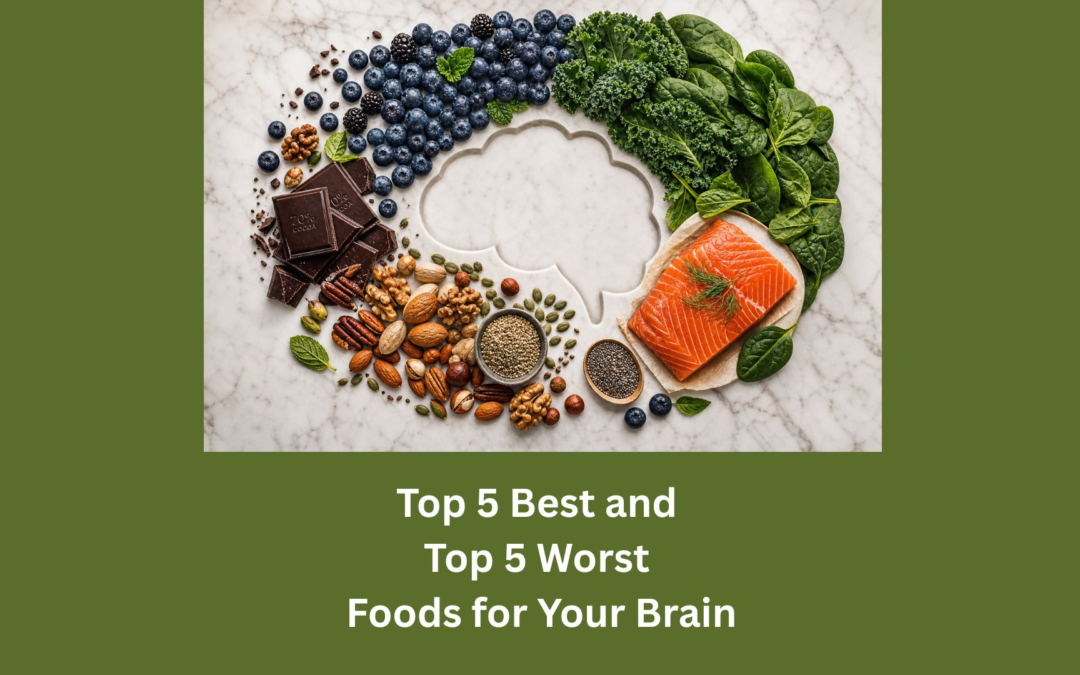
What you eat today is literally building or harming your brain. Your brain needs nutrients to function and diet is one of the most powerful levers you have for memory, focus, mood, and protection against cognitive decline.
If you are neurodiverse you need to take brain health and diet even more seriously than most.
As with many things it’s very important to personalize your diet to meet your needs. For example, while blueberries are considered to be very healthy for most, if you are sensitive or allergic to them, you should avoid them.
This article covers the top 5 foods that protect your brain, and the top 5 that damage it at the neurological level — with the research to back each one.
What Does “Brain Food” Actually Mean?
“Brain food” is a colloquial term for what researchers in nutritional cognitive neuroscience call nootropic or neuroprotective foods — foods whose bioactive compounds demonstrably modulate neuroinflammation, synaptic plasticity, BDNF levels, or hippocampal integrity.
BDNF is often called “Miracle-Gro for the brain” — it is the primary protein responsible for the growth of new neurons and the maintenance of existing synaptic connections. Diet, as a modulator of BDNF, inflammation, and the gut-brain axis, is one of the most directly actionable tools in cognitive health.
The 5 Best Food Groups for Your Brain
1. Berries
There are hundreds of different species of berries, some common favorites include: Blueberries, strawberries, blackberries, raspberries, black currants, and acai berries.
Berries are the single most researched food group for brain health, and the evidence is compelling. They are dense in anthocyanidins — a subclass of flavonoids that cross the blood-brain barrier and activate pathways linked to memory formation, neuroplasticity, and the clearance of toxic proteins.
In a landmark prospective study from Harvard’s Brigham and Women’s Hospital following 16,010 women over two decades, higher intake of blueberries and strawberries was associated with a delay in cognitive aging of up to 2.5 years — independently of other health variables. Participants who ate more berries performed better on all six cognitive tests, with the effect size equivalent to being 2.5 years younger in brain age.
A 2022 meta-analysis of 80 randomized controlled trials found that dietary flavonoids — with berries and cocoa producing the most significant results — improved cognitive performance across the lifespan, with the greatest benefits to long-term memory, processing speed, and mood. Pre-clinical trials with rodents have shown that blueberry supplementation improves visuo-spatial memory, activates brain antioxidant pathways (Nrf2), and increases BDNF and neurogenesis.
How much should you eat? Even 1–2 servings per week appears protective. Daily consumption produces the most consistent benefits in clinical trials.
Key healthy compounds: Anthocyanidins, quercetin, vitamin C, resveratrol.
2. Fatty Fish
Fatty fish contain more than 5% fat and there are many types including: Salmon, sardines, mackerel, trout, herring, and anchovies.
Approximately 60% of the brain is made of fat, and a significant portion of that fat is docosahexaenoic acid (DHA) — an omega-3 fatty acid that forms the structural membrane of neurons. Without adequate DHA, neuronal membranes become unstable, impairing the speed and quality of synaptic transmission.
A study of 2,183 healthy adults in their 40s and 50s, published in Neurology, found that higher omega-3 levels in red blood cells were directly associated with larger hippocampal volumes — the brain structure essential for learning and long-term memory. Higher omega-3 status also correlated with better abstract reasoning and lower risk of small-vessel brain disease, even among APOE4 gene carriers (who carry genetic risk for Alzheimer’s).
DHA regulates BDNF activation through specific receptors (PPARs and RXRs), essentially amplifying the brain’s ability to remodel itself. A 2025 dose-response meta-analysis in Scientific Reports analyzing 58 randomized controlled trials found that each 2,000 mg/day of omega-3 supplementation produced significant improvements in attention and perceptual speed, with every additional 0.1g/day of DHA or EPA associated with an 8–10% reduction in cognitive decline risk.
How much is recommended: At minimum, 1–2 servings per week. The omega-3 index benefit is detectable even at low consumption levels.
Key compounds: DHA, EPA, vitamin D, B12, selenium.
3. Leafy Green Vegetables
Leafy green vegetables are any edible plant whose leaf can be eaten raw or cooked. Some common varieties are: Spinach, kale, collard greens, broccoli, arugula, Swiss chard, and romaine.
Among all vegetable categories, green leafy vegetables have the strongest protective association with cognitive decline in the literature. A prospective study of 960 older adults from the Rush University Memory and Aging Project found that individuals who ate 1–2 servings of leafy greens per day had a rate of cognitive decline equivalent to being 11 years younger than those who rarely consumed them.
The key active compounds are vitamin K (phylloquinone), lutein, folate, and beta-carotene. Vitamin K is particularly notable: it is involved in the synthesis of sphingolipids, fats that are critical components of the myelin sheath surrounding neurons, and it activates proteins that protect against brain cell death. Folate helps regulate homocysteine levels — elevated homocysteine is independently associated with brain atrophy and increased Alzheimer’s risk.
Leafy greens also contain nitrates, which convert in the body to nitric oxide, a vasodilating compound that increases blood flow to the brain — delivering the oxygen and glucose that neurons depend on.
How much should you eat? Just one serving per day — a cup of raw greens or half a cup cooked — appears to produce measurable protection.
Key compounds: Vitamin K, lutein, folate, beta-carotene, nitrates, alpha-tocopherol, kaempferol.
4. Nuts and Seeds — The Vitamin E and Omega-3 Depot
What they are: Walnuts, almonds, pistachios, chia seeds, flaxseeds, and hemp seeds.
Nuts are a calorie-dense, neurotrophic package. Walnuts in particular contain alpha-linolenic acid (ALA), a plant-based omega-3 precursor, along with polyphenols and melatonin. A UCLA study found that walnut consumption was linked to improved cognitive test scores, and walnuts’ unique combination of ALA, antioxidants, and melatonin makes them a multi-mechanism brain protector.
Almonds provide the highest concentration of vitamin E of any nut — a fat-soluble antioxidant that crosses the blood-brain barrier and reduces oxidative stress on neuronal membranes. Oxidative stress is a key driver of age-related neurodegeneration; vitamin E acts as a scavenger for the reactive oxygen species that damage neuron cell walls.
Chia seeds and flaxseeds are particularly high in ALA, a critical source of anti-inflammatory omega-3 activity. The polyphenol-rich diets associated with elevated peripheral BDNF levels in clinical studies are largely composed of foods in this category combined with berries and leafy greens.
How much should you eat? A small handful (about 30g) daily. Caloric density is high, so portion awareness matters.
Key compounds: ALA omega-3s, vitamin E, magnesium, zinc, polyphenols, melatonin.
5. Dark Chocolate and Cocoa — The Mood and Memory Amplifier
Dark chocolate (any chocolate with more than 70% cacao) and unsweetened cocoa powder are good for your brain.
Dark chocolate is one of the few food groups for which a dose-response relationship with cognitive performance has been demonstrated in controlled trials. Cocoa flavanols — a specific type of flavonoid — have been linked to increased serum BDNF levels, improved memory, and enhanced blood flow to the hippocampus and prefrontal cortex.
In the 2022 meta-analysis of 80 flavonoid RCTs, cocoa produced the largest cognitive effect size of all flavonoid sources studied (g = 0.224), outperforming berries and ginkgo. Long-term memory, processing speed, and mood all showed sensitivity to cocoa intervention. The primary mechanism is increased cerebral blood flow and NO-mediated vasodilation in cortical regions, combined with BDNF upregulation.
Dark chocolate is also included in the anti-inflammatory protocols recommended in the Daniel Amen’s Memory Rescue framework (BRIGHT MINDS), which identifies chronic neuroinflammation as one of the 11 primary modifiable risk factors for cognitive decline.
How much should you eat? 1–2 squares (about 20–30g) of 70%+ cacao daily. The higher the cacao percentage, the higher the flavanol content and the lower the added sugar load.
Key compounds: Flavanols (epicatechin, catechin), theobromine, magnesium, iron, anandamide.
The 5 Worst Food Groups for Your Brain
1. Ultra-Processed Foods
Ultra-processed foods include many packaged snacks, ready-made meals, fast food, instant noodles, processed meats, candy, and flavored chips.
Ultra-processed foods (UPFs) are defined by industrial transformation, a high degree of chemical additives, and minimal nutritional content. The neurological cost of these foods is now quantified at the population scale.
A landmark study published in Neurology (2024) followed over 34,000 U.S. adults and found that a 10% increase in UPF intake raised the risk of cognitive decline by 16% and stroke by 8%. Critically, these brain risks were independent of broader dietary patterns like the Mediterranean diet — meaning that eating UPFs alongside an otherwise healthy diet still produced harm.
Structural MRI data from the UK Biobank, published in Nature in 2025, found that high UPF consumption was associated with adverse changes in feeding-related subcortical brain areas, including the hypothalamus, amygdala, and nucleus accumbens. These structural changes appear to create a self-reinforcing cycle: UPFs alter the very brain regions that regulate hunger and reward, driving further UPF consumption.
The harm mechanisms include emulsifiers and colorants causing intestinal and systemic inflammation, disrupted gut microbiome composition, and increased intestinal permeability (“leaky gut”) that allows bacterial endotoxins to reach the brain and trigger neuroinflammation.
2. Added Sugars and Sugary Beverages
This food group includes: Sodas, energy drinks, sweetened juices, candy, pastries, and anything containing high-fructose corn syrup.
The hippocampus — the brain’s memory-formation engine — is disproportionately vulnerable to dietary sugar. Animal studies using high-fat, high-glucose diets supplemented with high-fructose corn syrup demonstrated impaired spatial learning, reduced hippocampal dendritic spine density, and significantly reduced BDNF levels — with these changes appearing before weight gain, meaning the brain is affected first.
High-sugar diets drive insulin resistance in the brain by disrupting insulin signaling pathways in hippocampal tissue. This matters because insulin receptors in the brain are involved in synaptic plasticity and long-term potentiation — the cellular mechanism underlying memory formation. Chronic sugar consumption also activates NF-κB and TNF-α signaling, inflammatory pathways that cause cortical and hippocampal damage.
Research has found that people who drink a lot of sugary beverages are significantly more likely to have memory trouble, and that these drinks — particularly those high in fructose — may cause certain parts of the brain to become physically smaller. Even diet sodas raise concern: people who drink at least one diet soda per day are reported to be nearly three times as likely to have a stroke or develop dementia.
3. Trans Fats
Trans fats include partially hydrogenated oils found in margarine, some packaged baked goods, fried fast foods, and pre-made frosting (despite regulatory bans, trans fats persist in trace amounts in many processed foods).
Trans fats are arguably the most directly neurotoxic dietary fat group. A prospective study from Japan following over 1,600 older adults for up to 10 years found that people with the highest elaidic acid levels in the blood (a marker for trans fat consumption) were 52% more likely to develop dementia than those with the lowest levels. Associations held for both all-cause dementia and Alzheimer’s disease specifically.
A systematic review covering 19,792 study participants found that trans fat intake was associated with increased risk for Alzheimer’s disease, dementia, and cognitive decline across multiple observational studies. Trans fats impair the fluidity and structural integrity of neuronal cell membranes, disrupt synaptic function, increase LDL cholesterol and inflammation, and reduce cerebrovascular blood flow — creating a multi-pathway attack on brain architecture.
4. Refined Carbohydrates
Refined carbohydrates include white bread, white rice, white pasta, crackers, most breakfast cereals, and baked goods made from refined flour.
Refined carbohydrates trigger rapid blood glucose spikes followed by crashes. Over time, this glycemic volatility produces specific structural damage to two critical brain regions: the hippocampus and the prefrontal cortex — the areas responsible for memory, learning, decision-making, and executive function.
Long-term consumption of high-glycemic, high-glycemic-load foods has been shown to impair cognitive performance on memory and executive function tests, and research suggests these effects occur through hippocampal and prefrontal cortex disruption, as well as gut-brain axis interference and systemic neuroinflammation. The glycemic insult to brain tissue is compounded by reduced BDNF in the hippocampus — directly impeding the brain’s capacity for plasticity and new learning.
Chronically elevated blood glucose also damages small blood vessels throughout the body, including in the brain’s microvasculature, reducing blood flow to neural tissue and accelerating the kind of cerebrovascular disease that precedes vascular dementia.
5. Saturated Fat-Heavy Foods
Processed meats (bacon, hot dogs, deli meats), fried foods, butter in excess, full-fat processed cheeses, and industrially raised red meat are included in this food group.
Saturated fat has a well-documented relationship with cognitive decline. An examination of four studies covering more than 8,600 people found that eating more saturated fat led to a 39% higher risk for Alzheimer’s and more than double the risk for dementia in general — with each additional 4 grams per day associated with a 15% increased dementia risk.
A 2025 review published in a neuroscience journal found that high saturated fat diets increase Alzheimer’s disease risk independently of obesity or insulin resistance. The key mechanism is Toll-like receptor 4 (TLR4) activation by saturated fatty acids, which triggers microglial-mediated synaptic loss, complement-driven brain cell destruction, and memory deficits. In simpler terms: saturated fats activate the brain’s immune cells in a way that causes them to destroy synaptic connections.
Fried foods amplify this damage by combining saturated fats with advanced glycation end-products (AGEs) — compounds formed during high-heat cooking that promote inflammation, accelerate brain aging, and have been specifically linked to reduced hippocampal volume.
Brain Food at a Glance
| Food Group | Effect on Brain | Key Mechanism | Research Strength |
| Berries | ✅ Delays cognitive aging ~2.5 years | Anthocyanidins → BDNF, antioxidant, neurogenesis | Very High (16,000+ person cohort) |
| Fatty Fish | ✅ Larger hippocampus, better memory | DHA → neuronal membrane stability, BDNF via PPAR | High (multiple RCTs + observational) |
| Leafy Greens | ✅ Cognitive age 11 years younger | Vitamin K, lutein, folate → myelin, blood flow | High (960-person prospective study) |
| Nuts & Seeds | ✅ Memory protection, reduced oxidative stress | ALA, vitamin E → anti-inflammatory, antioxidant | Moderate–High |
| Dark Chocolate (70%+) | ✅ Highest flavonoid cognitive effect size | Flavanols → BDNF, cerebral blood flow | High (80-study meta-analysis) |
| Ultra-Processed Foods | ❌ +16% cognitive decline per 10% diet increase | Additives, inflammation, gut dysbiosis, structural brain changes | Very High (34,000+ person study) |
| Added Sugars & Sodas | ❌ Hippocampal shrinkage, insulin resistance | BDNF suppression, NF-κB inflammation | High (pre-clinical + clinical) |
| Trans Fats | ❌ +52% dementia risk | TLR4 inflammation, neuronal membrane disruption | High (10-year prospective study) |
| Refined Carbohydrates | ❌ Hippocampal and prefrontal impairment | Glycemic volatility, BDNF reduction, microvascular damage | Moderate–High |
| Saturated Fat-Heavy Foods | ❌ +39% Alzheimer’s risk per excess intake | Microglial activation, synaptic loss via TLR4 | High (meta-analyses, multiple cohorts) |
The MIND Diet: The Framework That Combines All of This
The MIND diet (Mediterranean-DASH Intervention for Neurodegenerative Delay) is the dietary framework that systematically prioritizes the brain-protective food groups and restricts the harmful ones. NIH research published in early 2026 confirms that people who ate most consistently with the MIND diet were significantly less likely to develop mild cognitive impairment or memory problems as they aged.
The MIND diet emphasizes:
- Daily servings of green leafy vegetables and other vegetables
- Berries over other fruit
- Weekly fatty fish, whole grains, beans, and nuts
- Regular olive oil as the primary fat
It restricts or eliminates:
- Red meat, processed meats, fried foods, fast food
- Sweets, refined carbohydrates, excessive saturated fat
- Butter in excess, processed cheeses, ultra-processed foods
FAQ: Best and Worst Foods for Brain Health
What is the single best food group for brain health?
Based on the depth and consistency of evidence, berries are arguably the most well-supported single food group for brain protection. A Harvard study found regular berry consumption delayed cognitive aging by up to 2.5 years — a measurable, prospectively demonstrated outcome.
What foods are worst for memory?
Sugary beverages, ultra-processed foods, and trans fats are the most consistently harmful to memory. They attack the hippocampus — the brain’s memory center — through insulin resistance, neuroinflammation, and structural disruption of neurons.
Can eating the right foods actually grow new brain cells?
Yes. Certain foods increase BDNF, the growth factor responsible for neurogenesis (the birth of new neurons) in the hippocampus. Berries, fatty fish, and dark chocolate have all been shown to elevate BDNF or support the biological conditions that allow it to function.
Does junk food really shrink your brain?
High sugar diets reduce hippocampal dendritic spine density and BDNF levels in animal models, and human studies have found associations between sugary drink consumption and reduced brain volume in specific regions. Ultra-processed food consumption has been linked to measurable structural changes in brain areas that regulate feeding behavior.
Are trans fats still in food?
While the FDA banned artificial trans fats in the U.S., trace amounts persist in foods that contain partially hydrogenated oils, some fried and baked goods, and internationally produced packaged foods. Always check the ingredients list — “partially hydrogenated” means trans fats are present.
How quickly do brain foods work?
Some effects are acute. Flavonoid-rich foods and omega-3s begin influencing cerebral blood flow and neurochemistry within hours. Long-term structural effects — like hippocampal volume changes from sustained omega-3 intake — unfold over weeks to months of consistent dietary change.
Is there a diet that puts all of this together?
Yes — the MIND diet is built specifically around neuroprotective and neuro-harmful foods. NIH research links adherence to the MIND diet with a significantly reduced risk of cognitive decline and impairment.
What should I eat every day for brain health?
Focus on a daily foundation of: one serving of leafy greens, a handful of nuts, a serving of berries (fresh or frozen), and 1–2 servings of fatty fish per week. Eliminate or dramatically reduce: sugary drinks, ultra-processed snacks, trans fats, and fried foods.
The Bigger Picture
Your brain is a metabolic powerhouse — it uses 20% of the body’s total energy despite comprising only 2% of body weight. Every meal is a decision about what raw materials you send to the most complex structure in the known universe. Neuroinflammation, BDNF depletion, hippocampal shrinkage, and synaptic loss are not inevitable features of aging — they are, in many cases, measurable consequences of what ends up on your plate.
The neuroscience is no longer vague: certain foods grow neurons, protect synapses, and delay cognitive aging. Others silently erode the architecture of memory and focus, often years before symptoms appear. The earlier these patterns are established, the more powerful the cumulative effect in either direction.
To Your Brain Health and Your Power,
Dr. Leonaura Rhodes
Chief Life Designer
P.S. This is the first time sending via a new email provider — please let me know if there are any problems.
Article Archive: https://www.drleonaurarhodes.com/articles/
https://www.linkedin.com/in/leonaurarhodes/
https://www.facebook.com/drleonaurarhodes
https://www.instagram.com/leonaurarhodes/
Youtube
https://www.youtube.com/channel/UC2IIJj_hnHZJO8BwcKPqInQ
TikTok
https://www.tiktok.com/@drleonaura