Most business leaders are looking for an edge. They obsess over strategy, systems, and skillsets. But there’s one crucial factor they often ignore: brain health.
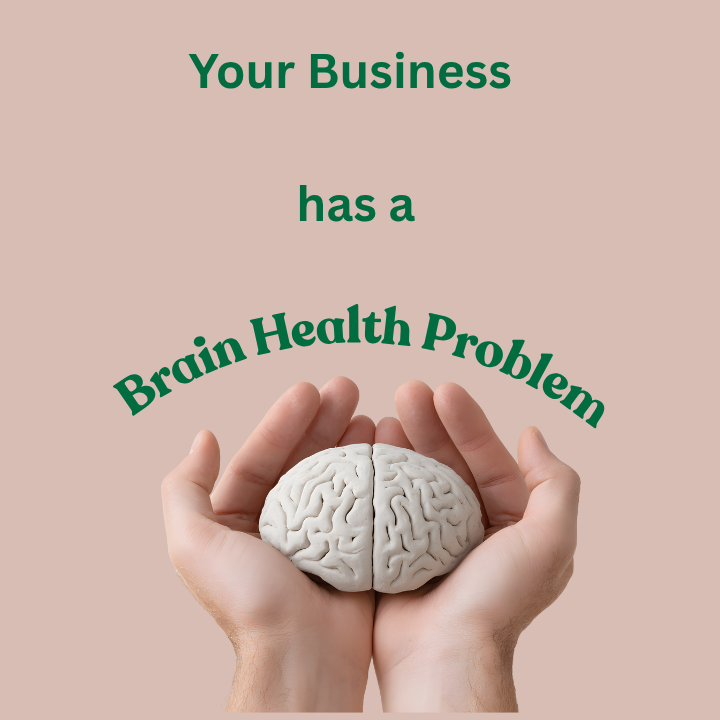
Your brain – and the brains of your team – are the true operating systems behind every sale, every decision, every innovation. If anyone in your team has a brain that isn’t operating well, they are underperforming, making mistakes and losing your company money.
In this article, I’ll reveal:
- The hidden costs of poor brain health in your organization.
- Six brain-sabotaging habits you may not even notice.
- Five neuroscience-backed ways to boost performance, energy, and team dynamics.
- Practical strategies to protect brain health in your workplace.
Let’s get started.
The Hidden Costs of Poor Brain Health at Work
Chronic poor attention, low energy, decision fatigue, and burnout aren’t just personal issues – they’re organizational liabilities.
When the brain health of a person is compromised, here’s what suffers:
- Focus and attention span.
- Memory and learning.
- Emotional control and communication.
- Creativity and problem-solving.
- Resilience to stress and pressure.
The result? Missed deadlines. Poor communication. Talent walking out the door. Poor brain health silently robs businesses of productivity, innovation, and profits.
6 Everyday Brain Saboteurs You Can’t Afford to Ignore
The human brain is a truly remarkable organ. It is capable of vast amounts of learning, creativity and mental labor. But there’s a major design fault: the brain’s “state” is fluctuating all the time. Unlike a brand new computer that performs exactly the same at 3am as it does at 5pm – regardless of workload or environment – the human brain is highly sensitive and reacts intensely to what’s happening inside us and around us.
An almost infinite number of things can affect the brain. Here are 6 of the most common negative influences.
- Sleep Deprivation
Low quality and quantity of sleep impairs your brain’s executive functions, such as decision-making, planning, and emotional regulation.
- Poor Nutrition
If you eat a diet that doesn’t suit your brain it will not function well. For most people, high sugar, low-protein diets disrupt neurotransmitters like dopamine and serotonin, which are essential for mood, motivation, and focus.
- Chronic Stress
Prolonged stress is terrible for brain function. It rewires your brain for survival, not strategy, making long-term planning and creativity harder.
- Physical Inactivity
Movement has many brain benefits including improving blood flow to the brain and boosting dopamine. Sedentary teams = sluggish thinking and brain fog.
- Digital Distraction
Constant notifications and screen-switching damages the frontal lobes. This depletes attention and creates dopamine burnout, mimicking ADHD.
- Brain Health Conditions and Neurodiversity
Neurodivergent employees, such as those with autism, dyslexia, or ADHD, can be powerful assets to a company when their work environment is adapted to support their unique brain wiring and tap into their strengths. On the other hand, conditions like chronic pain, inflammation, poor blood flow to the brain, blood sugar instability, and hormonal or neurotransmitter imbalances can all impair brain function and negatively affect performance.
5 Proven Ways to Boost Brain Performance and Productivity
- Manage Dopamine Like a Pro
Avoid constant “dopamine hits” from social media and multitasking. Instead, celebrate small wins, build momentum, and delay gratification for bigger motivation boosts.
- Use Visual Focus to Trigger Flow
If you’ve been doing a lot of close-up work, take a visual break. Focus your gaze on a single distant point, as this boosts clarity and task engagement. Shifting to wide, panoramic views helps you reset and think creatively.
- Move Often, Even Briefly
Walking meetings, stretching, or 2-minute movement breaks increase mental clarity, reduce stress, and recharge attention.
- Eat to Support Neurochemistry
Feed the brain with healthy fats (like Omega-3s), protein, and low-glycemic carbs to support steady energy, mood, and focus. Avoid “fast-food” lunches and donut breakfasts, especially if eaten at the desk.
- Train Your Attention
Single-tasking, distraction-free time blocks, and regular mindfulness help your brain rebuild its focus “muscle.” Keep a notepad on your desk to write down distractions that arise then take command of your focus and stay on track.
Simple Strategies to Boost Brain Health at Work
🧠 Hire a Neurodiversity Coach
Read my article: What is a Neurodiversity Coach
🧠 Conduct a Brain Health Audit
Check in regularly with your team’s energy, productivity and focus levels.
🧠 Add Micro-Habits to the Workday
Be a good role model to others by taking regular brain breaks, having device-free lunches, or request walking meetings, rather than a seated one-to-one.
🧠 Train Managers to Recognize Brain Drain
Educate leaders on attention types, stress responses, and productivity tools grounded in neuroscience.
🧠 Normalize Brain Talk
Create a culture where brain health isn’t taboo, it’s strategy.
Healthy Brains Build Healthy Businesses
Picture a team where every individual is mentally sharp, focused, and resilient, where you can count on consistent performance, sound decisions, and untapped potential coming to life. This isn’t wishful thinking, it’s what happens when you lead with strategies designed to enhance brain health.
Wondering what this could look like for your business? Let’s talk. Book a call today.
- The hidden costs of poor brain health in your organization
- Six brain-sabotaging habits you may not even notice
- Five neuroscience-backed ways to boost performance, energy, and team dynamics
- Practical strategies to protect brain health in your workplace
Let’s get started.
Resources and additional reading
To book a call to discuss how brain health strategies can help your people and your business visit: https://CoachLeonaura.as.me/CorporateDiscoveryCall
Exploring how brain health strategy training informs the future of work
Sleep Capital: a Driver of Brain Power and Economic Productivity
To Your Brain Health and Your Power,
Dr. Leonaura Rhodes
Chief Life Designer
P.S. This is the first time sending via a new email provider — please let me know if there are any problems.
Article Archive: https://www.drleonaurarhodes.com/articles/
https://www.linkedin.com/in/leonaurarhodes/
https://www.facebook.com/drleonaurarhodes
https://www.instagram.com/leonaurarhodes/
Youtube
https://www.youtube.com/channel/UC2IIJj_hnHZJO8BwcKPqInQ
TikTok
https://www.tiktok.com/@drleonaura